
When water damage strikes, the first few hours matter more than most homeowners realize. Fast action prevents mold growth, protects your belongings, and reduces the overall cost of repairs. At Mountain Air Restoration, our initial response protocol is designed to bring order, clarity, and safety to what can feel like a chaotic moment.
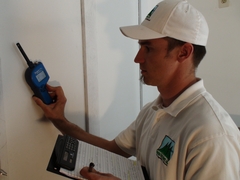
If you’ve just scheduled a water damage inspection—or you’re preparing for the possibility—here’s exactly what you can expect during those first critical steps.
1. Arrival & Introduction: Setting the Stage for a Safe, Organized Response
When our technician arrives, they’ll park on the street, confirm your address, and take a quick photo of the home’s exterior for documentation. After introducing themselves and slipping on protective shoe covers, they’ll ask you to walk them through what happened.
During this first conversation, we’ll:
-
Review the situation and the areas you’re concerned about
-
Explain what the inspection will include
-
Have you sign a standard Work Authorization form
-
Discuss whether you’ll need temporary relocation (drying can take up to 7 days)
-
Determine whether any furniture or belongings need to be moved to prevent further damage
This step ensures we’re aligned, informed, and ready to begin safely.
2. Initial Assessment: Photos, Measurements & Moisture Mapping
Before any equipment is set up, we document the full scope of the damage. This protects you, helps with insurance claims, and guides our drying strategy.
You’ll see us taking:
-
Photos of the leak source (wide and close?up)
-
Photos of each affected room
-
Temperature and humidity readings inside and outside
-
Moisture readings of walls, floors, ceilings, and materials
-
“Dry standard” readings from unaffected areas for comparison
This data becomes the baseline for your drying plan.
3. Extraction & Emergency Stabilization
Once we understand the extent of the damage, we begin stabilizing the home.
This may include:
-
Removing standing water from hard surfaces
-
Extracting water from carpets and pads
-
Blocking or moving furniture to prevent secondary damage
-
Inspecting the crawlspace or attic for hidden moisture
-
Removing unsalvageable materials (like soaked drywall or insulation)
-
Setting up containment and air scrubbers if mold or insulation removal is involved
Our goal is to stop the spread of moisture and create a controlled environment for drying.
4. Equipment Setup: Creating the Drying Chamber
Drying isn’t just about placing fans—it’s a calculated process based on industry standards (IICRC S500).
We determine:
-
How to isolate the affected area into a “drying chamber”
-
How many air movers and dehumidifiers are needed
-
Whether specialty tools (like wall?drying systems or floor injectors) are required
-
How to safely distribute power without overloading circuits
Once everything is placed, we run the equipment for about 10 minutes to ensure stable operation.
5. Documentation & Next Steps Before We Leave
Before wrapping up the initial visit, we:
-
Label monitoring points throughout the affected areas
-
Photograph each moisture reading with the label visible
-
Complete a scope sheet for each room
-
Finalize a sketch showing equipment placement and water migration
-
Review the Client Information Sheet with you
-
Schedule the next monitoring visit (usually within 24 hours)
You’ll know exactly what was done, what equipment is running, and what to expect next.
6. Ongoing Monitoring: Daily Check?Ins Until the Home Is Dry
Drying is a process—not a one?time event. Each day, we return to:
-
Take new moisture and humidity readings
-
Adjust or remove equipment as areas reach dry standards
-
Document progress for your records and insurance
-
Confirm when the structure is fully dry and ready for repairs
Once everything is dry, we schedule equipment removal and close out the mitigation phase.
Final Thoughts: Clear Communication, Safe Homes, and Peace of Mind
Water damage is stressful, but the process doesn’t have to be confusing. Our initial response protocol is built to protect your home, your health, and your peace of mind from the moment we arrive.
If you’re dealing with water damage—or want to learn more about how to protect your home—visit us anytime at breathedeeper.com